
Googlebook turns Gemini into the reason for a new laptop category
Google’s $899 Googlebook pairs Gemini features with a shared Android-ChromeOS base, but its promised performance and battery figures remain vendor claims.
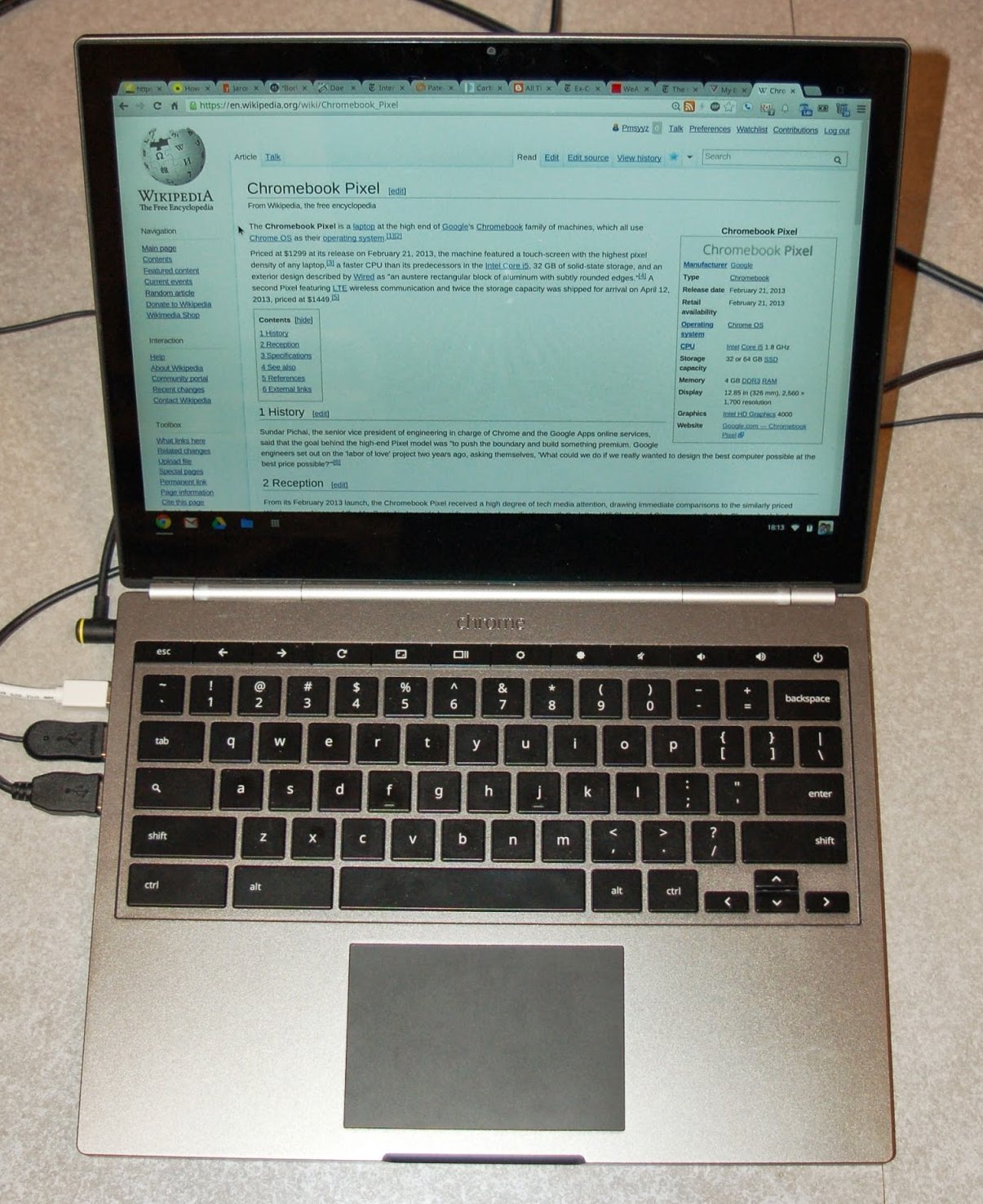
Google announced Googlebook on September 21 as a new laptop family built around Gemini and a changed operating-system base. The company is launching it with Acer, Asus, Dell, HP and Lenovo, with an entry price of $899. Sales are scheduled to begin on October 4 in the United States, followed on October 5 by the United Kingdom, Canada, Ireland, France, Germany and Australia. The announcement positions Googlebook less as a conventional Chromebook successor than as a laptop category in which Google’s AI software, Android applications and ChromeOS continuity are meant to define the product.
The practical change is that Google is no longer describing the laptop experience only through the browser-first model associated with ChromeOS. Googlebook OS puts ChromeOS and Android on a common Android base. According to Google’s announcement, that common base is intended to bring continuity across settings, passwords, Wi-Fi and messages, while also supporting Android applications. The important distinction is that this is an announced platform design, not yet an independently measured change in day-to-day reliability, software compatibility or performance across models.
What changed in the laptop pitch
The clearest strategic shift is the role assigned to Gemini. Googlebook is being presented as a laptop built for Gemini features, rather than as a machine that merely includes an AI assistant. The named Gemini functions are Magic Pointer, widgets and Antigravity agents. The brief does not define the detailed behavior of each feature, so their significance should be read from their placement in the product: they are central to the interface and workflow pitch, not optional background services.
That matters because the laptop category has usually been compared through hardware specifications, operating-system ecosystems and application support. Googlebook adds a different axis: whether users see enough value in Gemini-led interaction to justify buying a new laptop. This is a company announcement, not evidence of adoption. It shows Google’s intent to make Gemini a primary interface layer on laptops, but it does not prove that users will change buying behavior or that the features will be preferred over existing workflows.
The common Android base also changes the software proposition. ChromeOS and Android have previously represented different usage expectations: one centered on browser and cloud workflows, the other on mobile applications. In Googlebook OS, Google says settings, passwords, Wi-Fi and messages continue across the environment, while Android applications are available. The implication is a laptop that tries to reduce friction between phone-style app use and desktop-style browsing. The unresolved question is how consistently that works across the devices from Acer, Asus, Dell, HP and Lenovo.
How the platform is supposed to work
Googlebook is not a single manufacturer’s laptop but a reference category backed by multiple PC makers. The reference specifications include a 1.3 kg chassis, a 2.8K OLED display rated at 500 nits, up to 14 hours of battery life, Intel or Qualcomm processors and an NPU rated at 45 TOPS. These numbers describe the class of device Google is promoting. They do not, by themselves, identify the configuration of every retail model or prove that all models will behave identically.
The processor choice is also part of the category design. Googlebook reference specifications allow Intel or Qualcomm processors, while the NPU is rated at 45 TOPS. TOPS is a vendor-supplied measure of neural processing throughput. It indicates that local AI acceleration is part of the target hardware profile, but it does not measure the quality of Gemini features, the responsiveness of Magic Pointer, the usefulness of widgets or the effectiveness of Antigravity agents. It also does not show how much processing happens on device rather than elsewhere.
The display and mobility specifications serve a more familiar laptop story. A 1.3 kg chassis points to portability. A 2.8K OLED display rated at 500 nits points to a high-resolution screen target with a stated brightness rating. “Up to 14 hours” of battery life is an announced figure, not an independent battery test. Battery life can vary with display brightness, workload, processor, network use and background activity. The number is therefore useful as Google’s target, but not as proof of real-world endurance.
What the numbers do and do not prove
The $899 entry price is one of the few firm commercial facts in the announcement. It places Googlebook above the lowest-cost laptop segment and makes the AI-and-Android-ChromeOS combination part of the value argument. But the price alone does not reveal the full range of configurations, how much individual models will cost, or whether the reference specifications apply at the entry level. It establishes the starting point, not the whole market position.
The twelve months of Google AI Pro with 5 TB of storage are also part of that value structure. Buyers receive a year of the service and storage allocation, which makes Gemini-related use more prominent from the start. This is a bundle attached to the purchase, not an independent assessment of whether the included service will be necessary, sufficient or used heavily. It may reduce initial friction for AI and storage workflows, but the brief does not provide information about conditions after the included period.
Google’s promise of ten years of updates is another important claim. In practical terms, a long update commitment can affect how buyers, schools, families or businesses think about device lifespan and support risk. But here again the distinction matters: this is Google’s promise at announcement. The brief does not include details about update cadence, feature availability over time, whether all partner models receive identical treatment, or how Android application support evolves across the ten-year period.
The launch geography gives Googlebook an immediate multi-country footprint. Sales begin first in the United States on October 4, then in the United Kingdom, Canada, Ireland, France, Germany and Australia on October 5. That rollout suggests Google wants the category to be visible across several English-speaking markets and parts of Europe from the outset. It does not, however, provide shipment targets, retail availability by model, or evidence of demand.
Practical implications and open tests
For users, the main practical implication is a laptop experience organized around continuity and AI assistance. Settings, passwords, Wi-Fi and messages are meant to move through the environment, while Android applications broaden the software base beyond browser use. If this works as described, Googlebook could reduce the separation between mobile and laptop tasks. But that remains a product claim until independent testing shows how well applications scale, how notifications behave, and whether continuity is dependable.
For developers and service providers, the Android-ChromeOS common base may make Googlebook more relevant than earlier browser-centered laptops. Android application support gives the platform a large potential software source, while the laptop form factor changes expectations around keyboard, pointer, windowing and multitasking. The brief does not provide developer tools, compatibility rules or performance data, so the immediate conclusion is limited: Google is creating a more Android-centered laptop target, not proving that every Android app will feel native on it.
For the PC makers named in the announcement, Googlebook offers a shared category rather than a one-off device. Acer, Asus, Dell, HP and Lenovo can participate in a platform defined by Google’s OS, Gemini features and reference specifications. That can create consistency in messaging, but it also means differentiation will depend on the exact models each company sells. The announcement does not specify individual designs, price tiers beyond the $899 entry point, or model-by-model hardware details.
The larger question is whether Gemini is strong enough as a purchase reason. Googlebook combines a new OS base, Android applications, AI features, a defined hardware target, a service bundle and a long update promise. Those are meaningful changes in Google’s laptop strategy. What they prove today is the company’s direction: Gemini is being moved to the center of the laptop, not added at the edge. What they do not prove yet is performance, battery life, app quality, user adoption or the durability of the new category once independent measurements begin.
Sources
- Google's $899 Googlebook is a bet that you'll buy a new laptop for GeminiTechCrunch · September 21, 2026
- Google Launches Googlebook LaptopsWIRED · September 21, 2026