Google and Samsung launch Gemini AI glasses to take on Meta
Google, Samsung, Gentle Monster and Warby Parker launch screenless Gemini glasses on December 10 in the US and South Korea, from $395, aimed at Meta.
According to Google and Taiwanese outlet iThome, Google announced on November 12, 2026 smart glasses with Gemini built in, made with Samsung, South Korean eyewear brand Gentle Monster and US brand Warby Parker. They go on sale on December 10 in the United States and South Korea, with pre-orders already open, and take direct aim at a market now led by Meta. Taiwan is not part of the first wave.
What exactly are these glasses?
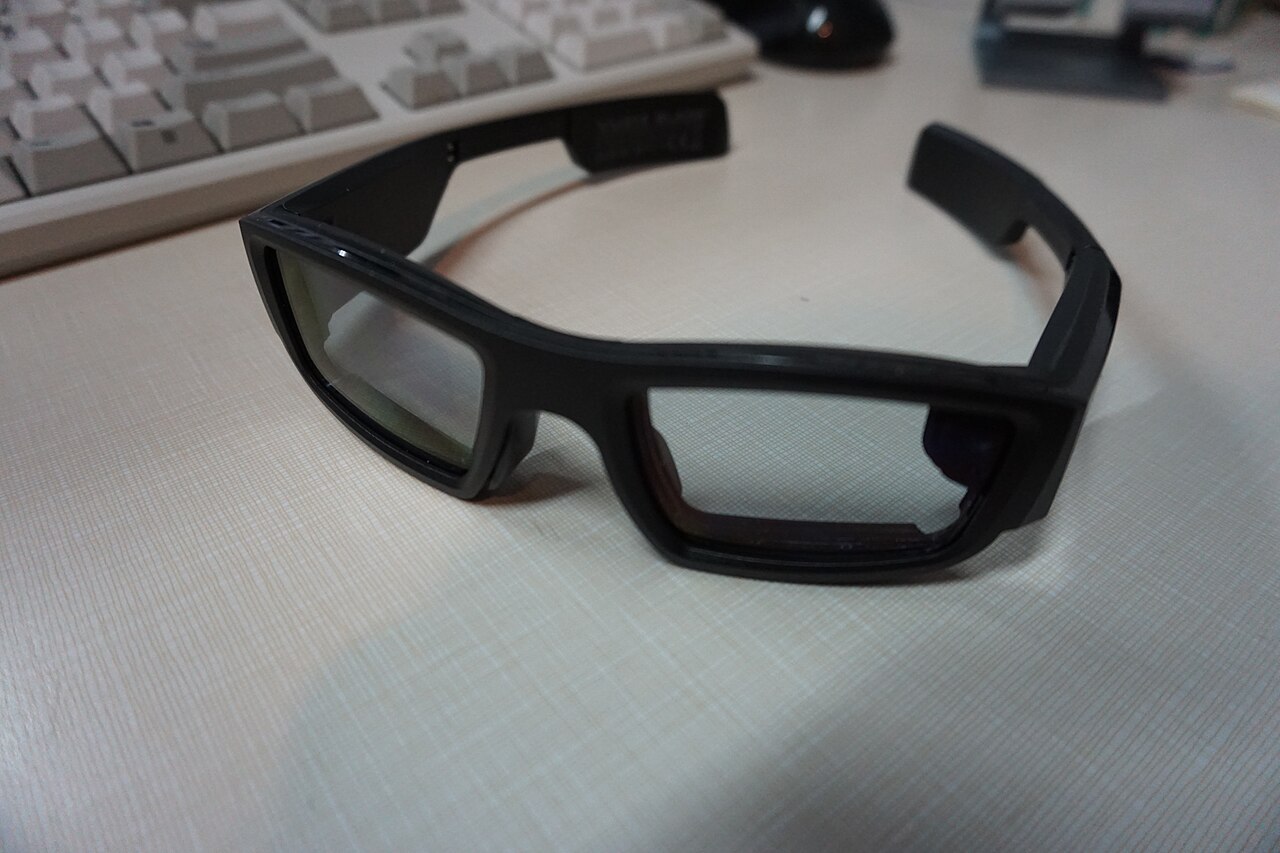
They are screenless smart glasses: the frame holds a camera, microphones and open-ear speakers, but there is no display in the lenses, and every answer comes as sound. Gemini is Google's AI assistant; Android XR is the software platform Google built for smart glasses and headsets. According to iThome, Google supplies Android XR and Gemini, Samsung handles hardware engineering, Qualcomm provides the Snapdragon AR1 Gen 1 chip platform, and Gentle Monster and Warby Parker handle frame design and sales respectively.
On specifications, iThome, citing Samsung's announcement, reports a 12-megapixel HDR camera, four microphones and two open-ear speakers, 2 GB of memory, 64 GB of storage and a weight of about 41 grams. Battery life reaches 9 hours per charge and up to 72 hours with the case; Google says the case recharges the glasses up to seven times. According to PPC Land, which analyzed Samsung's press release, the camera records 3K video at 30 frames per second, the glasses are rated IPX4 and use is limited to people aged 18 and over.
To keep the frame light, the product uses a split-computing architecture: part of the processing is handed to the connected phone, reducing the computing load and heat on the glasses, both iThome and PPC Land note. Samsung does not say how much work moves to the phone.
How much do they cost and where can you buy them?
According to Google and iThome, the two brands offer 30 variants in total. Gentle Monster turns six frame designs into 16 products priced from $449 to $489 in the US; Warby Parker offers three designs (Alden, Reid and Wren) in 14 variants, optical or sun, from $395. Google says most Gentle Monster frames come with prescription lens options and that Warby Parker offers guided demos at more than 360 stores.
Both brands are sold in the US, but only the Gentle Monster range is available in South Korea at launch. According to iThome and PPC Land, sales run mainly through the two eyewear brands' official channels, with some Google Store and Samsung locations offering hands-on demos. PPC Land notes that Samsung's release gives prices only for the US, with no Korean price and no cost for prescription lenses.
PPC Land also places the price against competitors: Meta's Ray-Ban Display glasses, which have a display in the lens, sell for $799. The Samsung and Google glasses have no display and so cannot overlay augmented-reality images on the wearer's view, which makes the positioning clearly different.
What does Gemini do on these glasses?
- Visual questions: according to Samsung's announcement, users can ask about a landmark or object in front of them and keep asking follow-up questions.
- Meeting notes: photograph a whiteboard, ask Gemini to summarize the key takeaways and save them in Samsung Notes.
- Navigation and translation: according to Google, turn-by-turn directions from Google Maps and real-time speech translation in more than 70 languages through Google Translate.
- Messages: summarized notifications, read-aloud updates and voice replies, plus calls, photos and video; the Bixby assistant is also available with a Galaxy phone.
- Accessibility: Google adds Guided Vision, conversational audio descriptions for people who are blind or have low vision, and a partnership with Aira that streams the camera feed to a trained human visual interpreter.
How is privacy protected?
A camera worn on the face raises fears of covert recording. Google says camera visuals processed by Gemini are not saved in Gemini History and are not used to train AI models or target ads; bystanders' faces are automatically redacted before Gemini processes the images. An outward-facing light turns on while photos or video are being captured, and the camera stops if the light is covered or disabled. Every pair has an off switch, and data stored on the glasses is encrypted.
PPC Land notes, however, that Samsung makes the no-training and no-ad-targeting pledge only for camera images, with no equivalent statement on voice requests. That point remains unaddressed for now.
Which phones work, and why not Taiwan?
According to PPC Land, drawing on Samsung's release, compatible phones include Galaxy S, S FE and Z series on One UI 9.0 or higher, Pixel 7 and later with the September 2026 Android 17 update, and iPhone 13 and later on iOS 26.6 with at least 6 GB of memory. Bixby works only with Galaxy phones; iPhone and Pixel owners get Gemini alone.
But iThome points out that Google limits support to Google accounts in the US and South Korea: Taiwan accounts do not work, so a pair bought in Korea may not offer Gemini once brought back to Taiwan, and some features work only on Android phones. PPC Land adds that Europe is not among the launch markets either and that no timeline is given for other countries.
Is Meta's lead under threat?
iThome cites a September report from research firm Omdia: in the first half of 2026, 4.2 million AI glasses shipped worldwide, up 127% year on year, of which Meta shipped 3.4 million, an 81.3% share. Chinese start-up Even Realities ranks second with 102,000 units and a 2.4% share; its Even G2 has no camera or speaker, but a Micro LED display built into the lens for translation, navigation and transcripts.
Google and Samsung are therefore chasing a market where Meta holds more than 80%. No sales data yet exists to judge the effect of these glasses, so it will take their arrival in stores in December to find out.
What this means for a Taiwanese company
For a Taiwanese company, the immediate effect is limited: the glasses are not officially sold in Taiwan at launch and Google accounts are restricted to the US and South Korea, so equipping staff at scale is premature. A realistic approach is to have a US or South Korean site trial them, to check whether translation or whiteboard summaries really save time.
If a rollout is considered later, the company will also need to settle internal rules on camera images, voice data and bystander privacy, and watch for a Taiwan timeline: neither Google nor Samsung has given one for other markets.
Sources
- Google攜三星推出AI智慧眼鏡,挑戰市場龍頭MetaiThome · November 13, 2026
- Intelligent eyewear collections with Gemini featuresGoogle (The Keyword) · November 12, 2026
- Samsung's Gemini glasses go on sale December 10, from $395 in the USPPC Land · November 12, 2026