Google Home launches early‑access MCP server for third‑party AI agents
On September 17, 2026 Google opened an early‑access Model Context Protocol server for Google Home, allowing third‑party agents such as ChatGPT, Claude, Hermes and OpenClaw to control smart home devices with user consent.
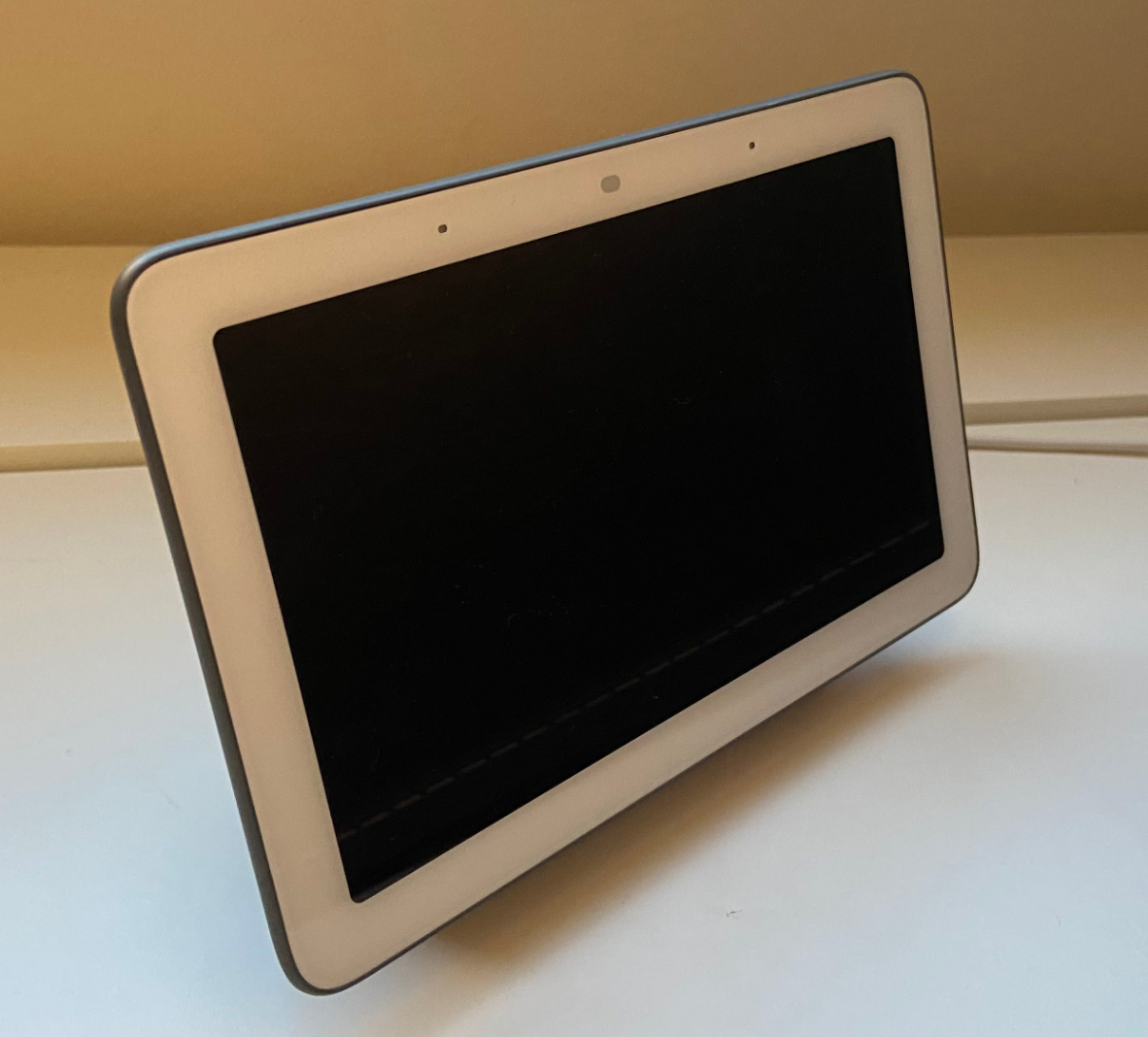
Google announced on 17 September 2026 that it has opened a preview of a Model Context Protocol (MCP) server for the Google Home ecosystem. The preview is limited to developers and selected partners, and it is intended to let external AI agents interact with Google‑managed smart‑home hardware.
The MCP server acts as a translation layer. It receives high‑level natural‑language intents from an AI agent and converts them into the specific calls required by Google Home’s device‑control APIs. The server does not turn each device into an autonomous agent; it merely forwards commands that have already been authorized by the user.
Supported third‑party agents
Google’s early‑access program lists four agents that can already connect to the MCP server: OpenAI’s ChatGPT, Anthropic’s Claude, the Hermes model from the European research community, and the open‑source OpenClaw platform. Each agent must obtain explicit permission from the homeowner before it can read or act on any device.
With these agents, users can issue natural‑language requests such as “turn the living‑room lights to 50 percent,” “set the thermostat to 72 °F,” or “show me the camera feed from the front door.” The agents can also query historical event logs, for example “when was the back‑yard light last turned on?” provided the user has granted read access.
How the MCP server works
When a user speaks to a third‑party agent, the agent sends a structured intent to the MCP server. The server validates the intent against the user’s permission profile, logs the request, and then calls the appropriate Google Home capability—such as light‑control, thermostat‑adjustment, or camera‑streaming. The response is sent back to the agent, which formats it for the user.
Because the server sits between the external AI and Google’s device layer, it can enforce policies that Google does not expose directly to the agents. This includes rate‑limiting, mandatory confirmation for high‑risk actions, and audit‑trail generation.
Risk surface and security considerations
Opening the MCP to third‑party agents expands the attack surface. An ambiguous instruction, an over‑broad permission grant, or a compromised AI model could trigger an unwanted physical action—such as unlocking a door—or expose sensitive event history. The preview phase explicitly states that functions, integrations and guarantees may change before a general release.
Security researchers have warned that any system allowing natural‑language control of physical devices must separate read‑only queries from write‑capable commands. They also recommend limiting permissions to the minimum required for each use case and retaining detailed logs for forensic analysis.
- Grant only the permissions necessary for each agent (e.g., read‑only for event history, write‑only for lighting).
- Require explicit user confirmation for actions that affect safety or privacy, such as unlocking doors or disabling cameras.
- Maintain immutable logs of all AI‑initiated commands and responses.
- Periodically review and revoke agent access that is no longer needed.
These recommendations are presented as editorial precautions; Google has not announced any built‑in feature that automatically enforces them. Organizations adopting the MCP preview are expected to implement their own governance processes.
The early‑access program also allows developers to test edge cases, such as handling ambiguous utterances or conflicting permission sets. Feedback collected during this phase will shape the final API design, error handling, and user‑experience guidelines.
For English‑speaking businesses and households, the practical impact is a more flexible way to integrate existing AI assistants into their smart‑home workflows. Rather than building custom voice‑skill code for each device, they can rely on a single MCP endpoint that routes commands securely, provided they follow the recommended safeguards.
In summary, Google’s MCP preview opens a controlled channel for third‑party AI agents to manage Google Home devices via natural language. While it promises convenience and broader ecosystem integration, it also introduces new security considerations that must be addressed through careful permission management, logging and user confirmation.
Sources
- La IA ya puede controlar tu hogar: Google abre la puerta a los agentesABC Tecnología · September 17, 2026
- Google ouvre la porte de sa maison connectée aux agents IANext · September 18, 2026