Nvidia to Raise AI Server Prices by More Than 15%
Nvidia has told top customers that Grace Blackwell and Vera Rubin server prices will rise over 15% in early 2027, as soaring DRAM and HBM costs eat up to a quarter of a rack's price, Bloomberg reports.
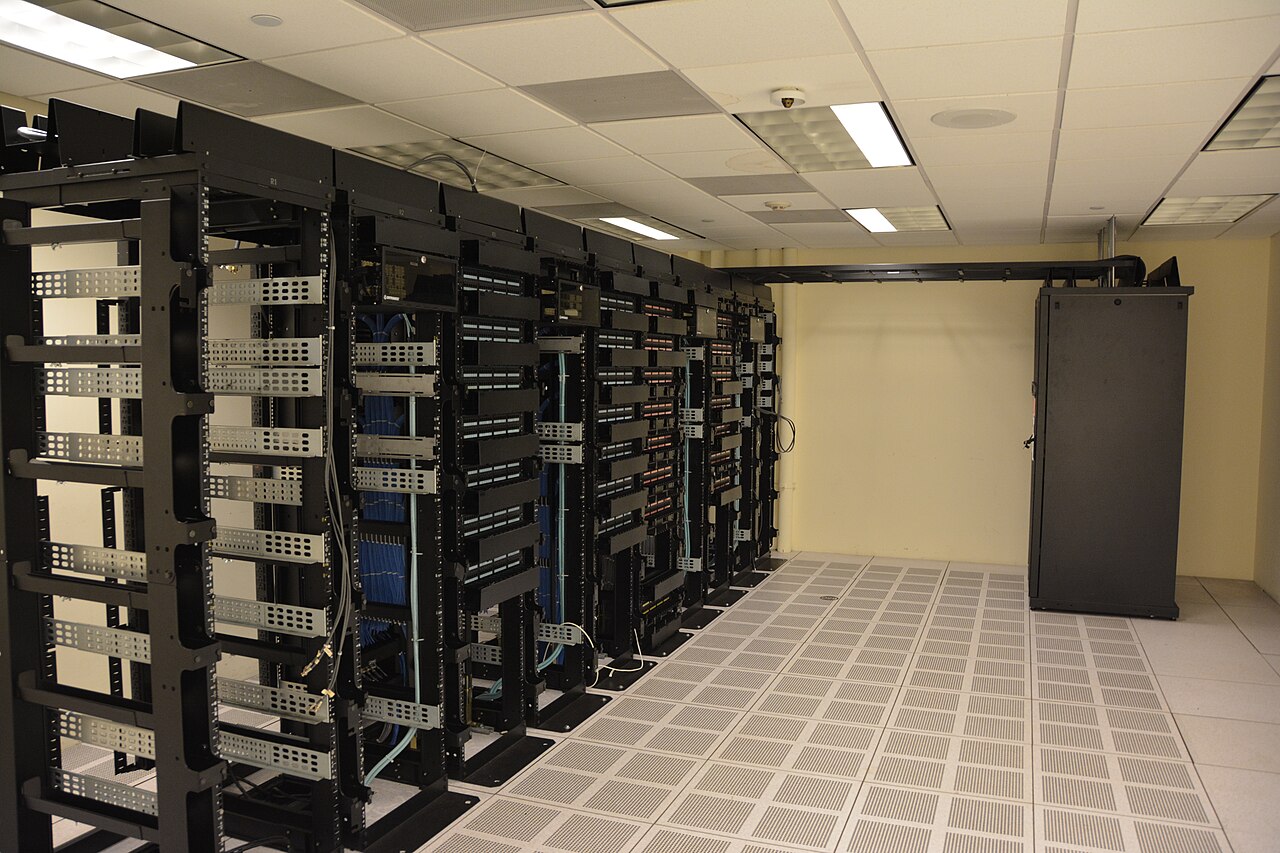
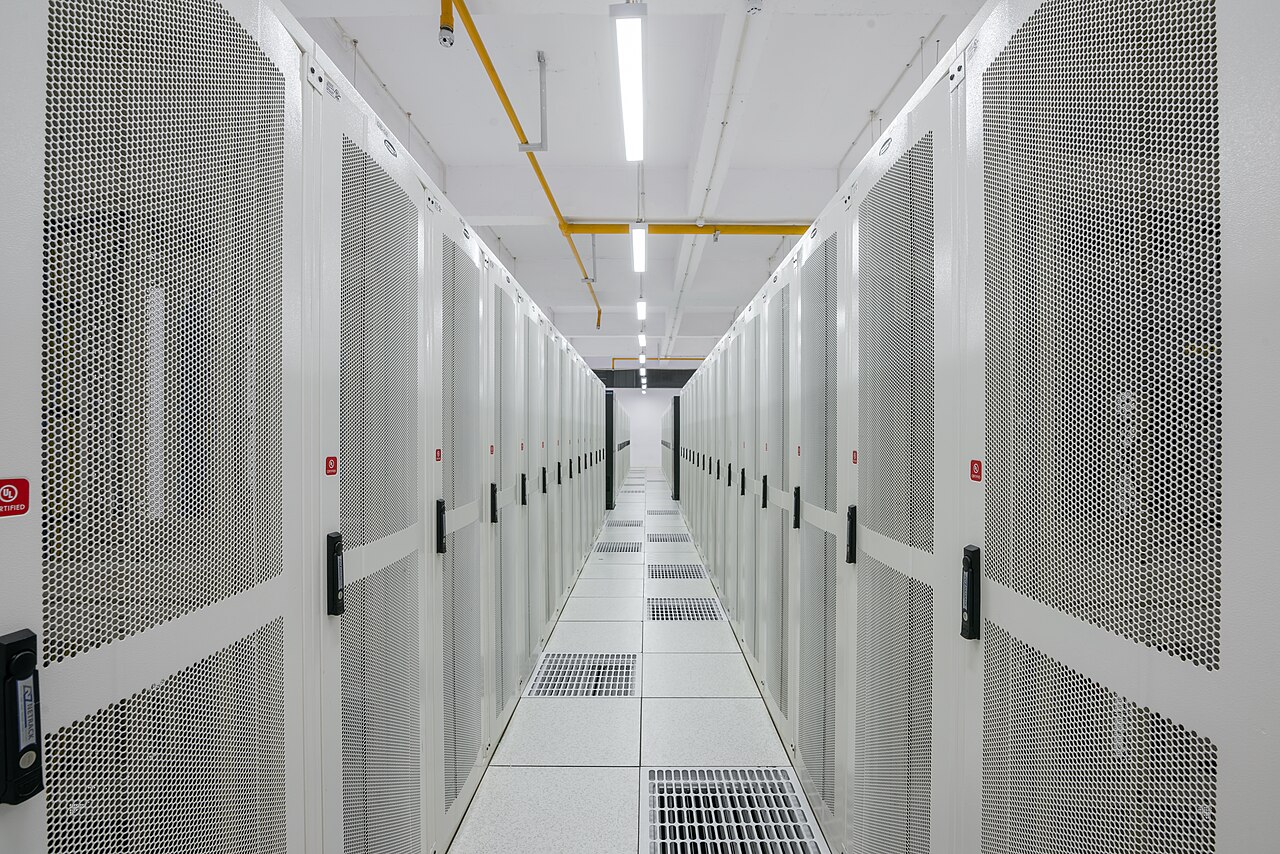
Nvidia has warned some of its largest customers that the price of servers built around its AI chips will climb by more than 15% in many cases, Bloomberg reported on Saturday, August 22, 2026, citing people familiar with private communications between the company and its customers. The increases will apply to Grace Blackwell and Vera Rubin systems shipping in early 2027, and how much any single customer pays extra will depend on the chip generation and the memory configuration they order, according to the report cited by Tom's Hardware and Notebookcheck.
Who is being notified, and why now
The warnings did not come directly from Nvidia to every buyer. Instead, according to Bloomberg's sources, the contract manufacturers that assemble servers on behalf of large data center operators — including Microsoft, Google and Oracle — have recently told their own customers about the coming increases. That structure means the extra cost will ripple through the AI supply chain before it reaches the hyperscalers that ultimately deploy the racks, and then again before it reaches the businesses that rent capacity from them.
Memory now eats up to a quarter of a high-end rack's cost
The driving force is memory, not the GPUs themselves. Conventional server DRAM contract prices nearly doubled in the first quarter of 2026, surging 90% to 95% quarter over quarter, and analysts expect a further 58% to 63% increase in the second quarter as suppliers redirect capacity toward high-bandwidth memory (HBM) and other server products, industry watchers told Tom's Hardware. SK hynix said as early as October 2025 that it had already sold out its entire 2026 memory production capacity, and Samsung and SK hynix raised their 2026 HBM3E supply prices by close to 20% before the year even began. Because HBM production consumes roughly four times the wafer area of equivalent conventional DRAM, memory has become one of the largest single line items in an AI server's bill of materials — reportedly up to a quarter of the cost of a high-end rack.
- More than 15% — the price increase Nvidia is said to have flagged on Grace Blackwell and Vera Rubin server systems shipping in early 2027
- 20+ terabytes — the amount of HBM memory in a single Nvidia NVL72 rack, before counting the LPDDR attached to its Vera CPUs
- 90% to 95% — the quarter-over-quarter jump in conventional server DRAM contract prices in the first quarter of 2026
- 58% to 63% — the further quarter-over-quarter rise analysts project for the second quarter of 2026
- ~75% — Nvidia's non-GAAP gross margin, among the highest in the semiconductor industry
Hundreds of thousands of dollars added per rack
Nvidia's rack-scale systems already sell for several million dollars each, and a 15% increase adds hundreds of thousands of dollars to a single rack — a sum that multiplies quickly across deployments that run to thousands of racks. Nvidia's non-GAAP gross margin sits at roughly 75%, among the highest in the semiconductor industry, and the reported price hikes suggest the company intends to pass the memory cost inflation on to customers rather than absorb it. It has already done the same on the consumer side: Nvidia raised prices on its GeForce graphics cards earlier in August 2026, as a mainstream 32GB DDR5-6000 memory kit that sold for $110 to $140 a year earlier reached around $392. Buyers have little immediate leverage to push back, either: supply of Nvidia's accelerators from TSMC still cannot meet demand.
Delayed data centers, and a new incentive for custom chips
The higher server prices land on an AI infrastructure buildout that is already under strain. Data center projects are facing delays, worker shortages, tighter financing conditions and local opposition, Notebookcheck reported, and more expensive servers could make some projects harder to justify or force operators to scale back their plans. Apple and Qualcomm have both already said that rising chip costs are pushing them to raise prices, and Nvidia now appears to be under the same pressure. The increase could also sharpen an existing trend: Amazon, Microsoft, Google and Meta are all developing their own in-house AI accelerators, even though all four still depend heavily on Nvidia hardware for their current data center buildouts. Whether the price hikes push more of that demand toward custom silicon, or toward AMD's competing accelerators, will depend on how quickly those alternatives can absorb it — and all of them draw their memory from the same three constrained suppliers: Samsung, SK hynix and Micron.
For businesses and cloud providers that already budget for Nvidia hardware, the takeaway is concrete: quotes for Grace Blackwell and Vera Rubin deployments shipping in early 2027 are likely to come in higher than earlier estimates, and that extra cost is likely to show up in the hourly and monthly prices that cloud providers charge for GPU capacity. Companies planning large AI infrastructure purchases or cloud contracts over the next year may want to lock in pricing now, budget for a double-digit premium on memory-heavy configurations, and watch whether AWS, Microsoft Azure and Google Cloud pass the increase on to their own customers.
Sources
- Nvidia reportedly warns biggest customers of 15% price hikes on AI servers — memory costs continue to soarTom's Hardware · August 22, 2026
- The memory crisis hits Nvidia: AI server prices are set to rise by more than 15%Notebookcheck · August 22, 2026