
Ray-Ban Meta Audio Glasses Debut Without Cameras for $349
Meta unveiled its camera-free Ray-Ban Meta Audio smart glasses at Connect 2026, pairing Muse AI with open-ear sound to address surveillance backlash.
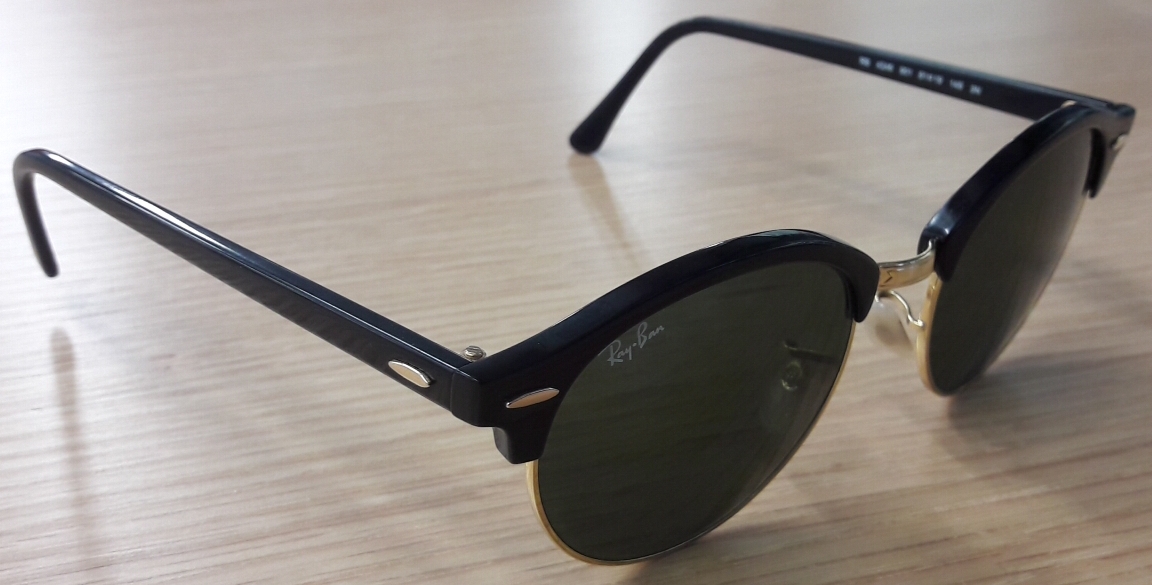
During its Connect 2026 developer conference on Wednesday, Meta announced its first audio-only smart eyewear, named Ray-Ban Meta Audio. Developed in partnership with eyewear giant EssilorLuxottica, the new connected frames eliminate onboard cameras entirely, focusing instead on voice interactions, audio playback, and ambient artificial intelligence. With preorders scheduled to open on October 13, the glasses will start at a retail price of $349.
The hardware shift comes in the wake of prolonged public controversy surrounding wearable camera devices. Previous smart glasses faced intense scrutiny and derogatory labels, such as 'pervert glasses,' due to concerns that wearers could record bystanders without explicit consent. Although Meta previously attempted to mitigate privacy fears by introducing an automated camera shutdown if the front recording LED was tampered with, persistent social discomfort remained around camera-equipped frames.
Lighter Hardware Architecture and Extended Battery Performance
By stripping out the camera sensors and associated front-frame circuitry, engineers were able to redesign the internal layout. Alex Himel, Meta’s vice president of wearables, noted that removing the cameras allowed the hardware team to reduce bulk and gain significant design flexibility. The resulting frames weigh 43 grams, making them lighter than the roughly 50-gram Ray-Ban Meta Gen 2 and the 69-gram Meta Ray-Ban Display, while sitting closer to traditional eyewear proportions.
The audio-only configuration also delivers substantial power savings compared to video-capable counterparts. Meta reports that the Ray-Ban Meta Audio delivers up to 12 hours of continuous operation on a single charge. When combined with the bundled charging case, total operational autonomy reaches up to 48 hours.
- Hardware dimensions: 43-gram total weight with slimmed temple arms and overextension hinges for wider face profiles.
- Fit customization: Adjustable temple tips, swappable nose pads, and support for prescription optical lenses.
- Styling choices: 23 color and lens combinations across two styles, the retro-inspired Clubmaster and the rectangular Burbank.
- Audio and voice capabilities: Open-ear speakers for music, podcast listening, phone calls, real-time speech translation, and wake-word voice queries.
- Pricing and release date: $349 starting price with preorders opening on October 13.
Once you get used to high quality audio, it's just a thing that you want all the time, right? Three years ago, it wasn't clear if AI glasses were going to be a thing... Then two years ago, we saw that audio was the top use case.
Muse Integration, Private Processing, and Lineup Expansions
The Ray-Ban Meta Audio frames integrate Meta’s new personal AI assistant, Muse. Positioned as a persistent conversational agent, Muse handles hands-free tasks, voice queries, and contextual assistance. Wake-word detection runs locally; the device only activates audio transmission when the trigger phrase is recognized. Alongside Muse, Meta showcased an optional FDA-cleared hearing assistance feature that amplifies conversational frequencies in noisy environments, available for a one-time fee of $149 eligible for FSA and HSA accounts.
To balance advanced model processing with data security, Meta is deploying 'private processing' architecture across its wearables. Adapted from systems used on WhatsApp, this server pipeline processes complex cloud AI queries in an environment isolated from Meta's general data access when on-device processing limits are reached. However, while visual data opt-outs apply to camera models, Meta confirmed that voice queries from the audio glasses are still utilized for AI training.
Meta concurrently expanded its broader eyewear catalog, aiming for over 100 variations by year's end. The camera-equipped Ray-Ban Meta Gen 3 was introduced starting at $449 (up from $379), featuring a 12 MP camera with 3K Ultra HD video, a six-microphone array, Dolby Atmos audio capture, and nine hours of battery life across Wayfarer, Aviator, and geometric cat-eye Zena styles. Additionally, entry-level Meta Glasses introduced Capri and Nova frames at $249, alongside $399 collaborative editions with singer Lisa and influencer Kylie Jenner.
Practical Implications for Enterprises and Workplace Deployments
For commercial enterprises, healthcare facilities, and educational organizations, the removal of cameras removes the single largest barrier to smart glasses adoption. Standard camera wearables routinely violate corporate confidentiality policies, cleanroom rules, and facility security restrictions that ban recording equipment. The camera-free Ray-Ban Meta Audio provides a compliant form factor for deploying voice-driven workflow assistants, hands-free field communication, and real-time audio translation without triggering compliance audits or privacy grievances from staff and clients.
Organizations evaluating deployment must nonetheless weigh cloud governance parameters. While the private processing framework safeguards transit and execution, enterprise administrators should account for voice query retention policies, peripheral audio leakage in open offices, and initial hardware procurement costs when integrating consumer-oriented conversational AI into formal operational workflows.
Sources
- Meta introduces camera-free AI glassesTechCrunch · September 23, 2026
- Meta ditches the camera on its newest smart glassesThe Verge · September 23, 2026