Nvidia‑backed AI data‑centre operator Firmus pulls Australian IPO after weak demand
Firmus Technologies announced on 9 October 2026 that it had withdrawn its application to list on the Australian Securities Exchange, citing market volatility and insufficient investor interest despite backing from Nvidia and other heavyweight investors.
On 9 October 2026 Firmus Technologies formally withdrew its prospectus for a public offering on the Australian Securities Exchange (ASX). The decision was taken after the company’s board concluded that the proposed offer no longer reflected the strength of the business or its long‑term growth outlook. The withdrawal came just two weeks before the planned listing date of 23 October, ending what would have been one of the largest Australian flotations since Telstra’s 1997 debut.
A high‑profile IPO that promised to showcase Australia’s AI ambitions
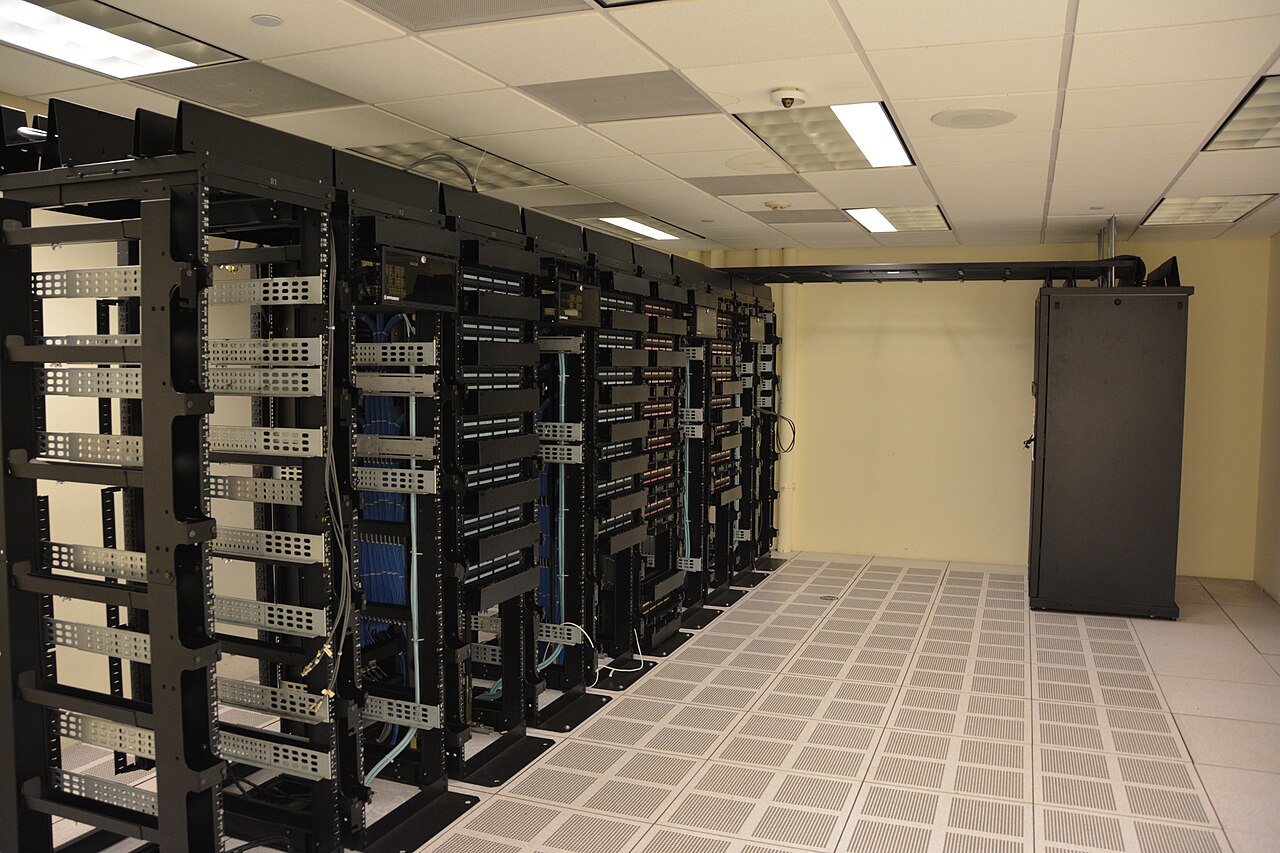
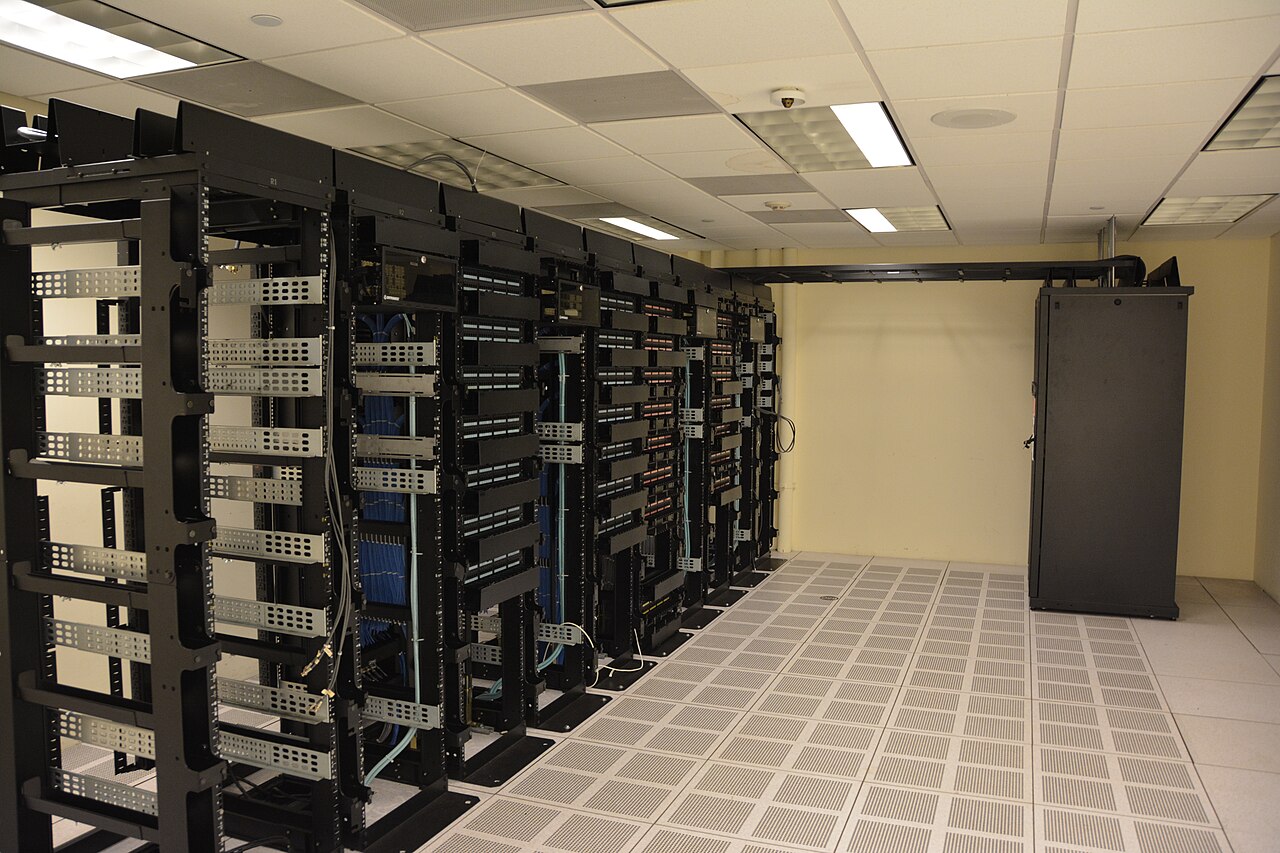
Firmus positions itself as an Australian operator and developer of data centres built specifically for artificial‑intelligence computing. Backed by Nvidia, the venture attracted a consortium of global investors that included Blackstone, Coatue Management and Jane Street, all of whom participated in an August 2026 funding round. The company marketed the IPO at A$11 per share, a price that reflected expectations of a massive capital raise to fund a programme of AI‑focused data centres across the country.
The listing was billed as a milestone for the Australian market, promising to bring a new class of high‑performance infrastructure to the region and to cement the country’s role in the global AI supply chain. Analysts highlighted the strategic partnership with Nvidia as a key differentiator, suggesting that the company could leverage cutting‑edge GPU technology to attract the most demanding AI workloads.
Investor appetite evaporates and the price collapses
Despite the high‑profile backing, demand for the shares proved far weaker than anticipated. On 8 October, advisers reported that they were considering a price cut to A$8.25 after the initial marketing failed to generate sufficient interest. The Guardian later reported that the proposed price fell as low as A$5.50 before the offer was finally abandoned. These figures illustrate a rapid erosion of perceived value within a matter of days.
ABC News highlighted that investors were uneasy about several aspects of the deal. Concerns centred on the company’s debt profile, the limited detail disclosed in the prospectus and the fact that most of the planned data‑centre sites had not yet been built. The combination of a high‑leverage plan and an unfinished asset base made many potential backers reluctant to commit at the original price.
Financial structure and market turbulence
Firmus disclosed that its completed data‑centre programme would carry roughly US$30 billion of debt, a figure that is about six times the US$5 billion of operating earnings the company forecasts for 2028. This leverage ratio raised red flags for investors accustomed to more conservative balance‑sheet metrics. At the same time, broader market volatility—spurred by global macro‑economic uncertainty—added another layer of risk, prompting the board to reassess the timing and pricing of the offering.
The board’s statement cited “recent market volatility and prevailing market conditions” as key reasons for the withdrawal. While the company did not claim that the AI infrastructure market had collapsed, the lack of sufficient demand for this particular offer underscores the challenges of raising capital for capital‑intensive projects in a turbulent environment.
What comes next for Firmus?
Following the withdrawal, Firmus said it would pursue capital from private markets and continue to explore both public and private funding options. The company did not disclose the amount, valuation or timing of any replacement financing, but indicated that the search for private investors would be immediate. This approach mirrors the earlier August funding round, which secured backing from Nvidia and other institutional investors.
Importantly, the decision to pull the IPO does not mean that Firmus has halted its operations or cancelled its data‑centre projects. The firm remains active in developing AI‑focused facilities, and the underlying business model continues to rely on the anticipated growth of AI workloads. However, the company will now need to fund its expansion without the public‑market proceeds that were originally expected.
Implications for the Australian tech‑investment landscape
The aborted listing sends a cautionary signal to other Australian tech firms seeking large‑scale public offerings. It demonstrates that even with marquee investors like Nvidia, market sentiment can shift quickly, especially when high leverage and incomplete asset pipelines are involved. Potential issuers may need to temper valuation expectations and provide more granular detail to win investor confidence.
For the broader AI infrastructure sector, the Firmus episode highlights the importance of aligning financing structures with realistic cash‑flow projections. While demand for AI compute capacity remains robust globally, the financing of such projects in Australia may now lean more heavily on private capital, strategic partnerships and staged roll‑outs rather than single, massive IPOs.
In summary, Firmus Technologies has withdrawn its ASX float after investor demand weakened, price expectations collapsed, and market conditions turned unfavorable. The company will now seek private financing to continue building its AI data‑centre portfolio, while the Australian market watches closely to see whether future tech listings can overcome the same set of challenges.
Sources
- Data centre operator Firmus pulls blockbuster ASX float after lacklustre demandABC News · October 9, 2026
- From boom to bust in five days: how Firmus’s much-hyped Australian stock market listing implodedThe Guardian · October 9, 2026