ChatGPT Wallet: OpenAI's Dots agents can now buy for you
OpenAI launched ChatGPT Wallet on 13 November 2026: its Dots agents can complete purchases, but only after the user approves with Face ID or a fingerprint.
OpenAI has launched ChatGPT Wallet, a feature that lets its AI agents, called Dots, help a user decide what to buy and then complete the purchase on that user's behalf. According to TechCrunch, the launch took place on Friday 13 November 2026, and The Verge reports that the rollout starts the same day. The feature is aimed for now at a small group of American customers.
A Dot is one of the agents of the OpenAI platform of that name, which The Verge says the company launched earlier this year. An AI agent, in this context, is software that does not only answer questions but takes actions for the user, here by filling a basket and paying. ChatGPT Wallet is the payment layer added to those agents.
Who can use ChatGPT Wallet today?
According to TechCrunch, the option is initially available to a limited number of ChatGPT Pro subscribers in the United States who are 18 or older and hold a U.S.-issued Visa, Mastercard or American Express card. The Verge gives a slightly longer list: subscribers need a US billing address and an eligible US-issued American Express, Chase, Mastercard or Visa card.
The limited availability is deliberate. According to TechCrunch, it will allow OpenAI to test and improve the feature and its capabilities before rolling it out more broadly. The sources do not give a date for a wider launch, a price, or any availability outside the United States.
How does a purchase work, and is the card number exposed?
Setup is done once. According to TechCrunch, subscribers add their eligible cards to ChatGPT Wallet, then ask their Dot to help with a purchase, and they do not need to re-enter payment details each time they buy.
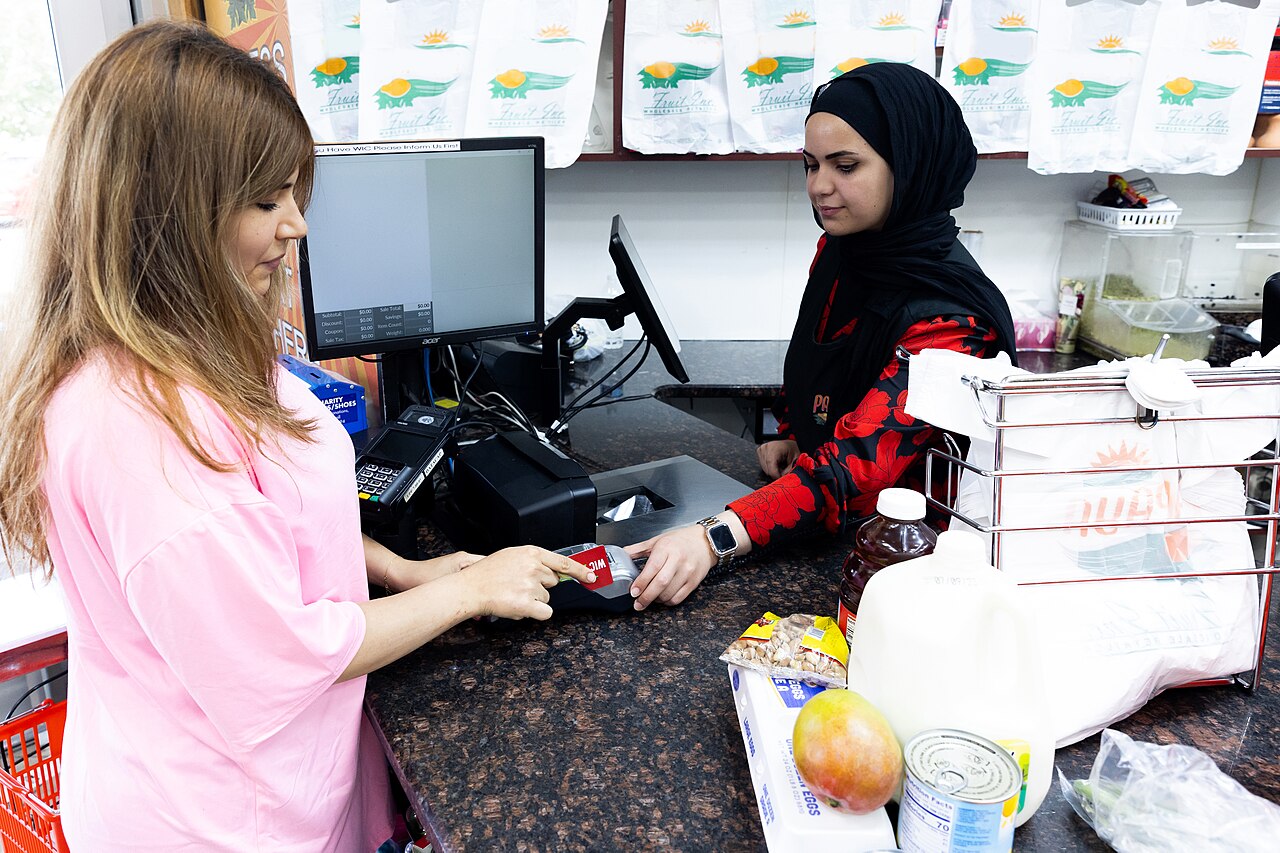
The user stays in the loop at the moment of payment. According to TechCrunch, the user can review the items, the total and the payment card before the checkout takes place. The Verge adds, citing OpenAI's support page, that every purchase with ChatGPT Wallet requires a security check with biometric verification, such as Face ID or a fingerprint scan. According to TechCrunch, that approval also creates a record of the transaction.
A payment token is a substitute value that stands in for the real card number during a transaction. According to both TechCrunch and The Verge, ChatGPT Wallet charges the selected card with such a token, in the same way as tap to pay, Apple Pay or Google Wallet, so the real card details are shared neither with the Dot nor with the merchant.
The merchant still receives what it needs to deliver the goods. According to TechCrunch, OpenAI says the Dot passes on elements such as the shipping address and contact information. TechCrunch also reports that customers who buy through their Dots can still earn their credit card rewards and keep the protections that normally come with cards, such as the ability to dispute a transaction.
- Setup: add an eligible card once, with no need to retype it for each purchase.
- Review: the items, the total and the card are shown before checkout.
- Approval: a biometric check such as Face ID or a fingerprint is required for every purchase.
- Token: a substitute value replaces the real card details toward the Dot and the merchant.
- Cards: rewards and dispute rights are kept, according to TechCrunch.
Will Dots be able to buy without asking each time?
Not yet, but that is the stated direction. According to The Verge, OpenAI expects users eventually to delegate purchases entirely to their agent by setting clear parameters, such as spending limits, purchase categories or time periods, and by pre-approving those purchases. TechCrunch describes the same plan as giving users more control so that the agent can then handle purchases more autonomously.
These controls are announced as future work, and no timetable appears in the two articles. Until they exist, the human approval described above remains the rule.
Which retailers will let agents in?
This is the main practical limit. The Verge notes that ChatGPT Wallet might not work everywhere, because some retailers restrict AI agents or block them altogether, and it recalls that Amazon earlier this year blocked Meta's Muse agents. According to TechCrunch, Amazon is the largest retailer to ban AI agents, as it aims to steer users to its own AI agent, Alexa.
The Verge quotes OpenAI on what must change: websites need to ensure agents are not inadvertently blocked, and payment and risk systems need to recognize legitimate purchases made by agents. To help merchants adapt to what the industry calls agentic commerce, meaning sales completed by an AI agent on behalf of a customer, TechCrunch reports that OpenAI also published a Commerce Partner Playbook with tools and guidance for sites that want to support customers using agents.
Is shopping by AI agent already popular?
The evidence is mixed. According to TechCrunch, DoorDash and Uber have so far reported low numbers of orders placed by AI agents, while Meta's Muse, which now has more than 10 million users, has seen AI-assisted shopping become a top activity in its app. TechCrunch also mentions that other personal agents, such as Instinct, already support purchases made on users' behalf.
What this changes for a company outside the United States
For a company outside the United States, nothing changes on the customer side today: the sources only describe American Pro subscribers with American cards. The launch matters as a signal, because it shows how a major assistant intends to handle payment, with a token, a biometric approval and a record of each purchase.
A merchant selling online can already ask three questions. Do our bot-blocking rules treat every automated visitor as a threat, including a legitimate agent acting for a customer? Can our payment and fraud systems tell an agent-assisted purchase from an attack? Do we know how a disputed agent purchase would be handled? These are checks suggested by OpenAI's own remarks, not commitments made by any retailer.
A company that deploys its own agents has a similar lesson to draw: define spending limits, approval steps and traceability before granting an agent the right to pay. Our page on the governance of AI agents covers that framework.
Sources
- ChatGPT's new Wallet lets AI agents shop and check out for youTechCrunch · November 13, 2026
- ChatGPT Wallet lets OpenAI's Dots agents make purchases for youThe Verge · November 13, 2026