Explainable AI Detects Blockages in Molten‑Salt Reactor Heat Exchangers
Argonne National Laboratory’s new compact matrix heat exchanger, equipped with fiber‑optic sensors and machine‑learning analytics, can spot nascent solid‑salt blockages inside thousands of channels, achieving up to 99% recall for severe events.
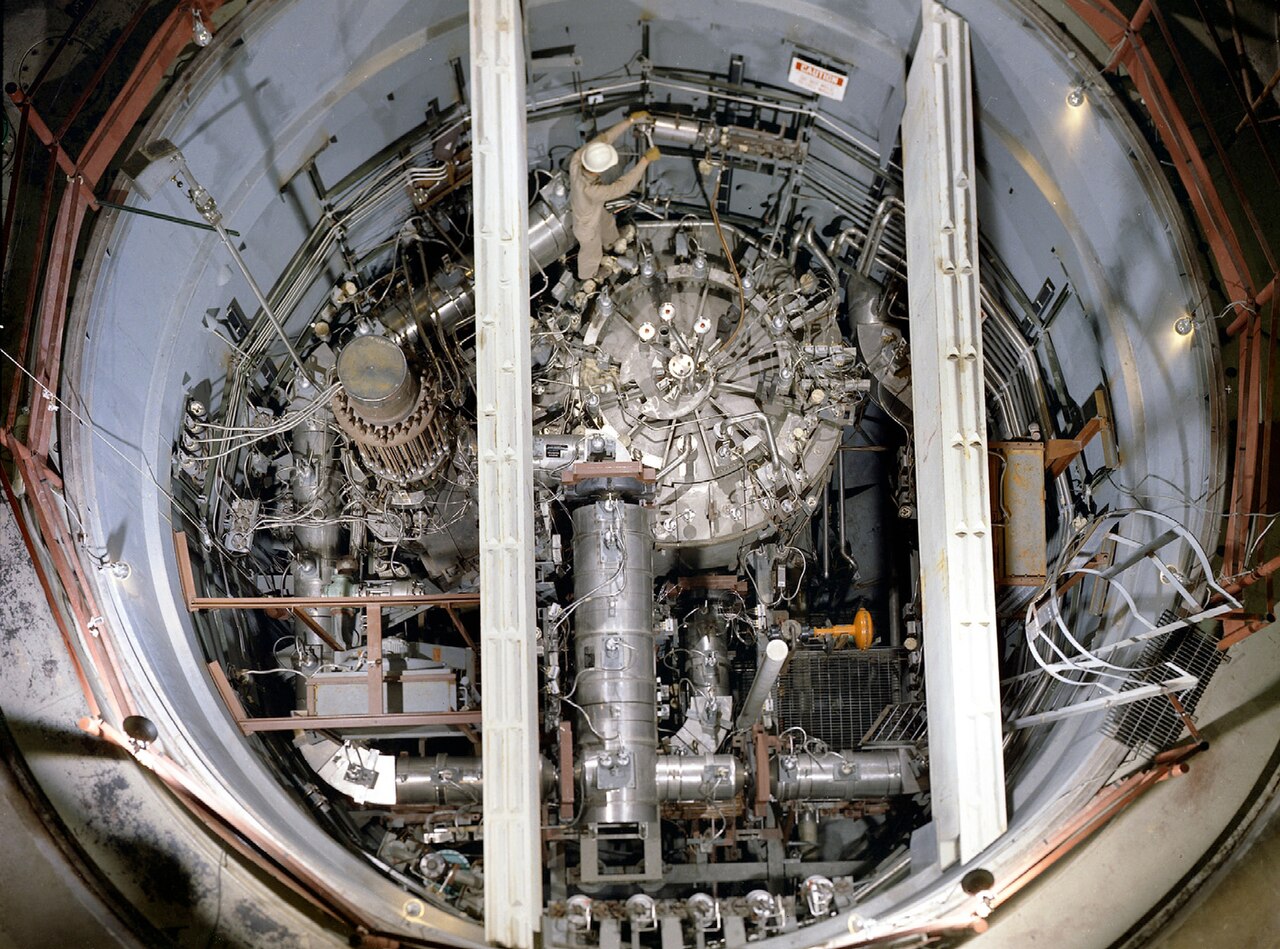
Researchers at Argonne National Laboratory have unveiled a prototype heat exchanger that merges a dense array of fiber‑optic sensors with an explainable machine‑learning model. The device is designed for molten‑salt cooled reactors, where the salt can solidify when temperatures fall near 500 °C, potentially choking the flow inside the exchanger’s many channels.
Typical molten‑salt exchangers contain between 2 000 and 4 000 parallel channels. Conventional monitoring relies on inlet and outlet temperature and pressure readings, which can miss the early stages of a blockage developing deep within a channel.
Sensor Integration Without Compromising Integrity
The Argonne team placed fiber‑optic sensors on the internal support structures of the exchanger rather than drilling through the high‑pressure vessel wall. This approach preserves the mechanical integrity of the component while providing distributed temperature and strain data across the matrix.
Eight different machine‑learning models were trained on nearly 5 000 synthetic, noise‑augmented datasets that simulated a range of blockage scenarios. According to the German tech news outlet t3n, the gradient‑boosting algorithm XGBoost delivered the highest detection performance.
For severe blockages—cases where the solidified salt occupies a large fraction of a channel—the model achieved a recall of 0.99, meaning it correctly identified 99 % of those critical events. However, the system’s sensitivity dropped markedly for weak anomalies whose signatures closely resembled normal operating conditions.
Explainability Through Shapley Values
To avoid a black‑box solution, the researchers applied Shapley value analysis and partial‑order diagnostics. These techniques quantify how each sensor’s reading contributed to the final alarm, highlighting which regions of the exchanger were most influential in the model’s decision.
The explainability layer also revealed zones of persistent ambiguity where the model could not confidently differentiate between a harmless temperature fluctuation and the onset of a blockage. This information is crucial for operators who must decide whether to intervene or continue monitoring.
From Lab Prototype to Operational Tool
The prototype results were published in the peer‑review journal Scientific Reports. The paper emphasizes that the system is still at the laboratory validation stage and has not undergone commercial deployment or regulatory certification.
- Fiber‑optic sensors embedded on internal supports
- XGBoost model selected after testing eight algorithms
- Recall of 0.99 for high‑severity blockages
- Shapley‑based explainability to trace sensor contributions
- Validated on ~5 000 synthetic, noisy datasets
Tech Xplore reported the development on 22 September 2026, noting that the real‑time AI monitoring could reduce unplanned shutdowns and extend component lifetimes if transferred to full‑scale reactors.
The researchers also highlighted the potential for the sensor network to feed predictive maintenance algorithms, allowing scheduled interventions before a blockage reaches a dangerous size.
In addition to temperature and strain, the fiber‑optic array can capture acoustic signatures, offering a multimodal data stream that further enriches the machine‑learning input space.
While the current dataset is synthetic, the team plans to augment it with data from a small‑scale molten‑salt loop under controlled solidification tests later this year.
Regulatory and Industry Implications
For an English‑speaking organization operating or planning molten‑salt reactors, the breakthrough means a potential pathway to earlier detection of flow‑impeding solidification, lower risk of catastrophic overheating, and more data‑driven maintenance schedules.
Although the technology is not yet certified, its explainable nature aligns with industry demands for transparency and regulatory compliance, making it a promising candidate for future safety upgrades.
Stakeholders anticipate that, once validated in a pilot plant, the system could become part of the safety case required by nuclear oversight bodies in the United States, United Kingdom, and other jurisdictions.
The Argonne team stresses that any commercial rollout will need to address cybersecurity, data integrity, and long‑term sensor durability under aggressive molten‑salt chemistry.
In summary, the combination of embedded fiber‑optic sensing, high‑performing gradient‑boosting models, and Shapley‑based explainability offers a concrete step toward smarter, safer molten‑salt reactor heat exchangers, pending further testing and regulatory approval.
Sources
- Künstliche Intelligenz überwacht Wärmetauscher in Atomreaktorent3n · September 23, 2026
- Scientists develop real-time AI monitoring for an advanced nuclear reactor componentTech Xplore · September 22, 2026