Rebellions and ai& Deploy Energy‑Efficient Inference Infrastructure in Japan
Rebellions and ai& announced a joint effort to install RebelRack units in a Tokyo data centre, aiming to provide low‑latency, energy‑saving AI inference services for Japanese enterprises, government agencies and developers, while targeting a broader global footprint by 2027.

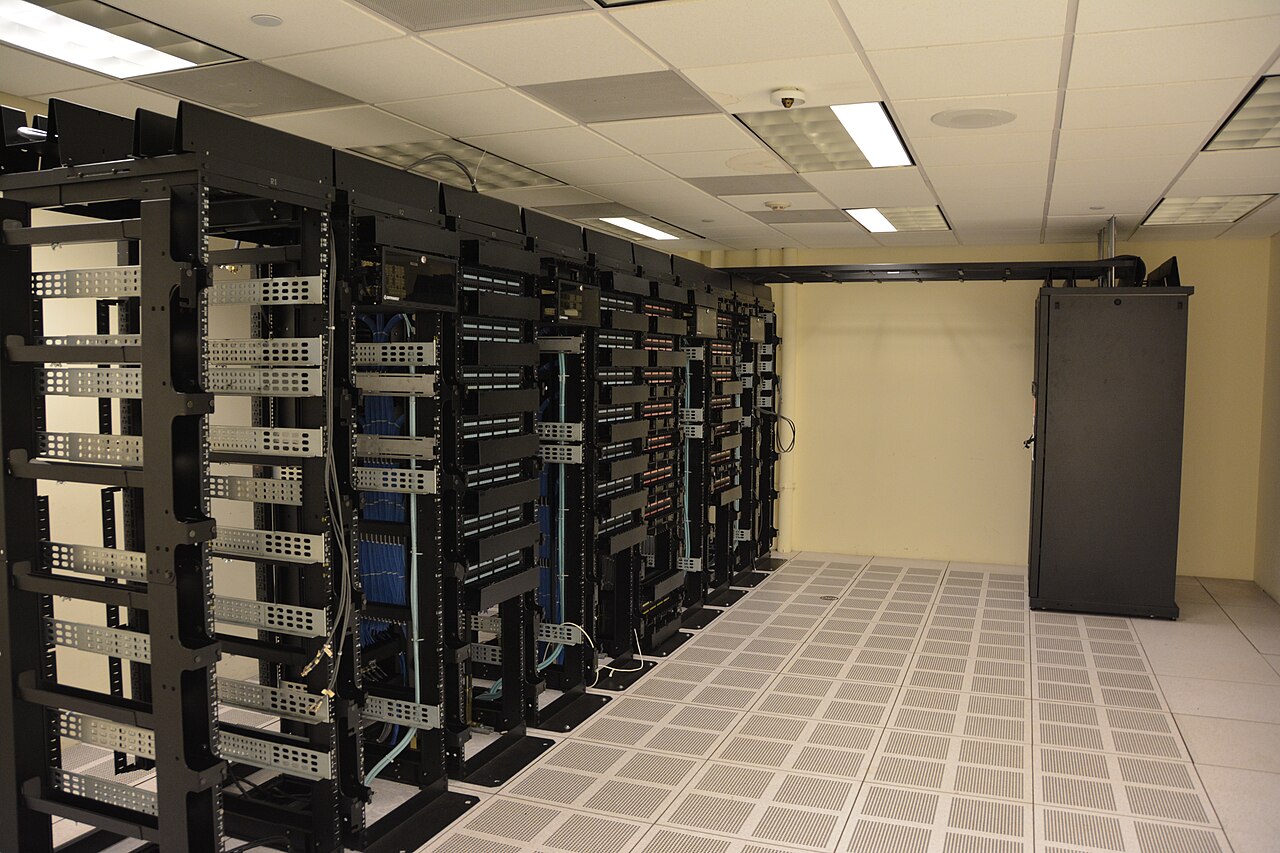
On September 15, Rebellions released a press statement confirming that its AI‑optimized hardware, RebelRack, will be integrated into ai&’s heterogeneous data‑center environment in Tokyo. The partnership is positioned as a strategic move to deliver on‑premise inference capabilities that respect data sovereignty, minimise latency and cut power consumption compared with conventional cloud offerings.
The initial deployment will start with a modest number of RebelRack units, but the joint roadmap mentions an ambition to scale up to a hundred or more racks across the facility. This target reflects a long‑term vision rather than an already‑installed fleet, and the exact timeline for reaching that scale remains dependent on market uptake and regulatory approvals.
Technical promises and commercial claims
According to ai&, the new infrastructure will run inference workloads on a heterogeneous mix of CPUs, GPUs and custom accelerators, all orchestrated by open‑source frameworks that are already in production elsewhere. The company claims that models served from the Tokyo site will stay within Japanese borders, eliminating cross‑border data transfers, and that latency can be kept under 50 milliseconds for domestic users.
In addition to speed, ai& advertises up to an 80 percent reduction in energy use relative to typical cloud inference pipelines. The figure is presented as a potential saving based on internal benchmarks, and independent validation is still pending. Nonetheless, the combination of specialised hardware and software optimisation is expected to lower the total cost of ownership for customers who require high‑throughput, real‑time AI services.
Financial backdrop and expansion plans
Rebellions has disclosed that it has raised $400 million in pre‑IPO financing and a total of $850 million to date, funds that will support the manufacturing and shipping of RebelRack and its larger counterpart, RebelPOD. Meanwhile, ai& reports a capital commitment exceeding $2 billion for global infrastructure, with a goal of operating five sites by the end of 2026 and reaching 40 MW of power draw in Japan by the close of 2027.
The two companies’ capacity forecasts differ in scope. ai& talks about more than 100 MW of worldwide capability under development, whereas Rebellions focuses on five Japanese locations and a 40 MW ceiling for the domestic segment. These divergent horizons illustrate the layered nature of the partnership, where local deployment targets coexist with broader global ambitions.
Key considerations for adopters
Potential customers are advised to conduct a thorough assessment before committing to the new service. Critical factors include the physical residency of data, the provenance of model weights, software dependencies, fail‑over mechanisms, energy efficiency certifications, total cost of ownership and the ease of moving workloads between on‑premise racks and other cloud environments.
- Verify that data and model artefacts remain on Japanese soil.
- Review the energy‑efficiency metrics against independent benchmarks.
- Assess the compatibility of existing AI frameworks with the open‑source stack offered.
- Plan for disaster recovery using the heterogeneous hardware mix.
- Calculate the long‑term cost savings versus traditional cloud inference.
For enterprises and public institutions that operate under strict data‑privacy regulations, the ability to keep inference pipelines within national borders while benefiting from cutting‑edge hardware could be a decisive factor. The partnership also promises a faster time‑to‑value, as the first RebelRack units are expected to be operational immediately upon delivery, leveraging pre‑installed software stacks.
In summary, the Rebellions‑ai& collaboration introduces a promising, energy‑aware inference platform tailored for the Japanese market. While the commercial claims are compelling, stakeholders should validate performance, sustainability and cost metrics in real‑world conditions before scaling up. Companies that succeed in aligning these factors may gain a competitive edge in AI‑driven services while adhering to sovereign data requirements.
Sources
- Rebellions and ai& Partner to Bring Energy-Efficient AI Inference Infrastructure to JapanRebellions · September 15, 2026
- Sovereign AI Inference, Built in Japanai& · September 16, 2026