Meta、モバイルデビューから1か月でMuse AIアシスタントをiPadに拡大
Metaは2026年10月7日、Muse AIアシスタントが専用iPadアプリとして利用可能になったことを発表しました。iPhoneでの発売から数週間で、ネイティブな大画面サポート、新しいサードパーティコネクタ、そして小売統合が追加されました。
Meta rolls out Muse on iPad
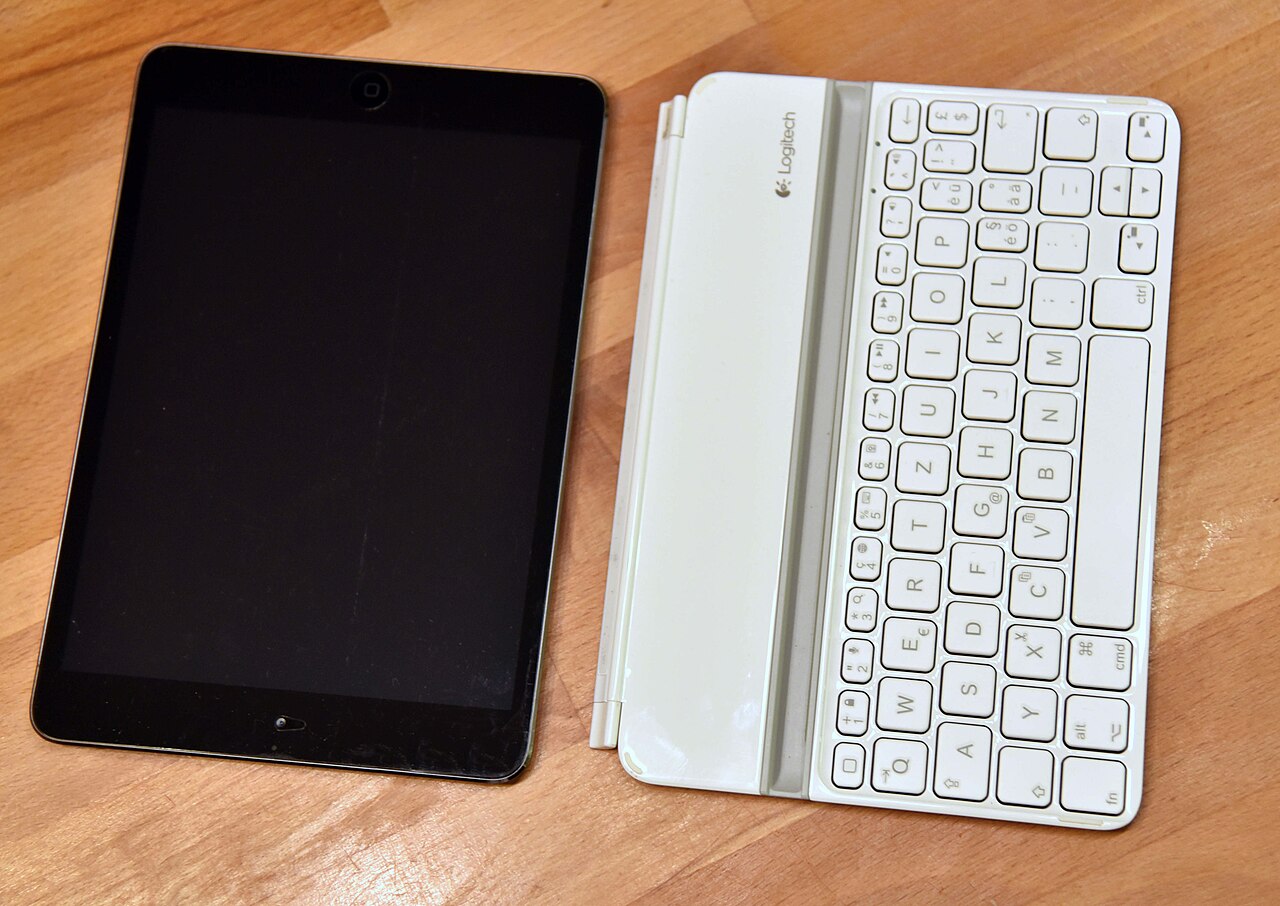
On 7 October 2026 Meta confirmed that Muse, its consumer‑facing AI agent, is now offered as a stand‑alone iPad application. The release comes roughly one month after the agent debuted on iPhone on 8 September 2026, a timeline highlighted by both TechCrunch and The Verge. The announcement positions the iPad client as the latest step in a rapid rollout that also saw a Mac version appear a week after the original mobile launch. By delivering a dedicated iPad binary rather than a simple up‑scaled iPhone build, Meta hopes to capitalize on the tablet’s larger canvas and multitasking capabilities.
Why a dedicated iPad app and what’s new
The iPad version is not merely a resized iPhone app; it is a native build that integrates iPadOS features such as Split View and Slide Over, allowing users to keep Muse open while working in other apps. This is especially relevant given Muse’s text‑heavy interface, which benefits from the tablet’s bigger screen real estate. The dedicated app also supports the iPad’s higher resolution and Apple Pencil input, although specific Pencil functionalities have not been detailed. By providing a separate download, Meta shortens the gap that Instagram experienced—a 15‑year interval before a dedicated iPad client—signalling a more aggressive approach to tablet adoption.
Launch timeline and early install performance
Muse first arrived on iOS and Android on 8 September 2026. Sensor Tower estimates, cited by TechCrunch, placed total installs across those platforms at about 6.6 million in the month leading up to the iPad launch. The figure aggregates iPhone, Android and any early iPad downloads, so the exact share attributable to the new tablet app remains unknown. Nonetheless, the rapid succession—from mobile debut to iPad availability in just 30 days—suggests Meta is betting on strong cross‑device momentum, even as it lacks granular adoption data for the tablet segment.
Connector expansion and retail partnerships
Alongside the iPad release, Meta broadened Muse’s ecosystem with a wave of new third‑party "connectors" that users can enable selectively. The added integrations include productivity and design tools such as Asana, Canva, Dropbox, Figma, QuickBooks, GitHub, Klaviyo, Zoom, Notion and Granola. Additional connectors for Meta ad accounts extend the agent’s reach into advertising management. Retail partners announced at the same time—Best Buy, Gap, Sephora, Walmart and Wayfair—allow Muse to browse product catalogs and complete purchases directly within the app, turning the tablet into a shopping assistant as well as a personal organizer.
Broader ecosystem moves and hardware experiments
The iPad launch follows other ecosystem extensions. The Verge reported a Mac version of Muse released about a week after the mobile debut, enabling desktop‑oriented tasks like file organization. Meta also unveiled a standalone "Muse Charm" device—a Tamagotchi‑like gadget that runs the AI without a smartphone—and hinted at future integration with its upcoming smart‑glasses platform. Small‑business‑focused connectors now let users set a "business goal," prompting Muse to autonomously generate marketing plans, client pitches and product‑page drafts, a feature that could broaden the agent’s appeal beyond individual consumers.
Open challenges and metrics gaps
Meta acknowledges that some merchant sites may mistakenly block Muse, treating it as a bot. The company says it is working with industry partners on an open standard that would let AI agents identify themselves to avoid such friction, though the solution has not yet been tested in the wild. No performance or adoption metrics specific to the iPad version have been disclosed, and the effectiveness of the open‑standard approach remains unverified. Moreover, because the 6.6 million install count aggregates all platforms, it is unclear how many of those users are on iPad versus iPhone or Android.
What changes now
専用iPadアプリにより、ユーザーはネイティブな大画面サポート、マルチタスク機能、そして拡張されたコネクタと小売統合への即時アクセスを得られます。この展開は、MetaがタブレットをAIアシスタントの第一級デバイスとして位置付ける意図を示しており、単なる付随的なものではありません。しかし、実際のインパクトはiPadユーザーがどれだけ速やかにMuseを採用するか、オープンスタンダードのボット識別が普及するか、そして新しいコネクタが具体的な生産性向上にどれだけ結びつくかに左右されます。詳細な利用データが公表されるまで、iPadでのローンチは有望であるものの、まだ検証が必要なMetaのMuseエコシステムの拡張と言えるでしょう。
出典
- Meta’s Muse launches on iPad just a month after its mobile debutTechCrunch · 2026年10月7日
- Muse launches on the iPadThe Verge · 2026年10月7日